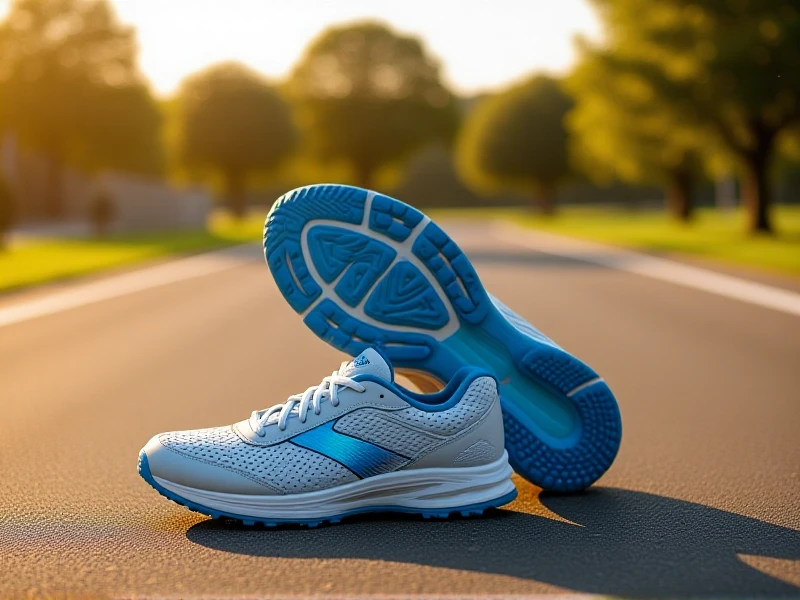
The Ultimate Guide to Choosing Perfect Running Shoes
Finding the right running shoes transforms your training, prevents injuries, and boosts endurance. Whether you're logging miles on pavement or trails, proper footwear is non-negotiable for performance. This guide helps you navigate the essentials.
Why Running Shoes Matter Conventional sneakers lack the specialized engineering of running shoes. Quality designs absorb shock three times better, reducing joint stress during impact. Built-in arch support stabilizes your stride, while breathable uppers prevent blisters. Remember: worn-out shoes cause 68% of preventable running injuries. Rotate every 300-500 miles.
Key Selection Tips
- Foot Type Analysis: Determine your arch (neutral, low, or high). Low arches need motion control; high arches require cushioning. Try the wet footprint test.
- Terrain Matching: Road runners need lightweight flexibility. Trail versions demand aggressive treads and waterproofing for uneven terrain.
- Fit Protocol: Shop late afternoon when feet swell. Leave a thumb’s width at the toe. Lace snugly without pinching.
- Tech Innovations: Consider energy-return midsoles like Nike React or Adidas Boost. Reflective details enhance night safety.
Popular Running Shoe Categories
- Cushioned (Hoka Clifton): Ideal for long distances
- Stability (Brooks Adrenaline): Combats overpronation
- Racing (Saucony Endorphin): Ultralight for speed
- Zero-Drop (Altra Escalante): Mimics barefoot running
Test shoes on a store treadmill. Many shops offer gait analysis. Prioritize function over trends—your joints will thank you. Pair with moisture-wicking socks to avoid friction burns.
Upgrade your run today. The perfect pair fuels progress, mile after mile.