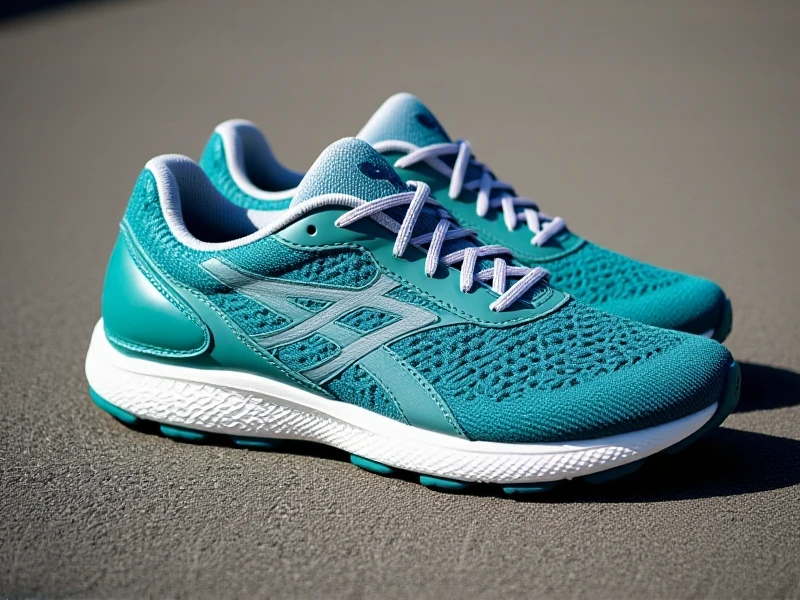
The Ultimate Guide to Choosing Your Perfect Running Shoes
Here's the SEO article focused on "Running Shoes":
The journey of every great run begins with your feet, and the foundation for happy feet lies in the right pair of running shoes. Whether you're a seasoned marathoner or lacing up for your first jog, selecting the perfect running shoes isn't just about fashion; it's crucial for performance, comfort, and injury prevention. With countless options available, the choice can feel overwhelming. This guide cuts through the noise, highlighting key factors to consider.
1. Know Your Running Gait: Your unique way your foot strikes the ground is paramount. Do you overpronate (foot rolls inward excessively), underpronate/supinate (foot rolls outward), or have a neutral stride? Visiting a specialty running shoes store for gait analysis is highly recommended. This insight determines the level of support and stability you need. Look for motion control or stability models for overpronation, neutral cushioning for neutral gaits, and flexible, high-cushion shoes for supinators.
2. Where Will You Run? Terrain dictates type. Road running shoes are designed for pavements, offering cushioning, light weight, and responsiveness. Trail running shoes feature aggressive treads for traction on mud, rocks, and roots, plus added rock protection and sturdier construction. If you frequently switch surfaces, hybrids offer a versatile compromise.
3. Prioritize Comfort and Fit: This is non-negotiable. A well-fitting pair of running shoes should have about a thumb's width of space between your longest toe and the end of the shoe. Your heel should be snug, not slipping. The midfoot should feel secure without pinching. Width is vital – many brands offer standard and wide options. Always try shoes on in the late afternoon when feet are slightly swollen, and wear your usual running socks. Walk and jog around the store.
4. Cushioning Level: This is personal preference and depends on distance, impact, and feel. Some runners love plush, maximal cushioning for long-distance comfort and shock absorption. Others prefer minimal cushioning for a more connected, "ground-feel" experience. Moderately cushioned options offer a balance suitable for many. Test different levels to see what feels best for your body and running style.
5. Consider Your Running Goals: Are you training for a 5K, half-marathon, or ultra-distance? Higher mileage demands more robust cushioning and support. Speedwork might benefit from lighter, more responsive running shoes. Match the shoe's purpose to your primary activity.
Remember: Don't be swayed solely by color or trends. A budget-friendly pair of running shoes that fits perfectly and suits your biomechanics is far more valuable than the most expensive, poorly-fitting pair. Replace your running shoes every 300-500 miles (or sooner if you notice significant wear or discomfort).
Investing time in finding the right running shoes is an investment in your running longevity and enjoyment. Your feet—and your whole body—will thank you. Hit the road (or trail!) with confidence.